BRIAN: Using MRI to Understand How Glioblastoma Spreads
Glioblastoma is one of the most aggressive brain tumours. One of the hardest problems in treating it is that tumour cells can spread beyond what is visible on a standard MRI scan. Surgeons and oncologists therefore face a difficult question: where might the disease be extending, even when the scan cannot yet show it clearly?
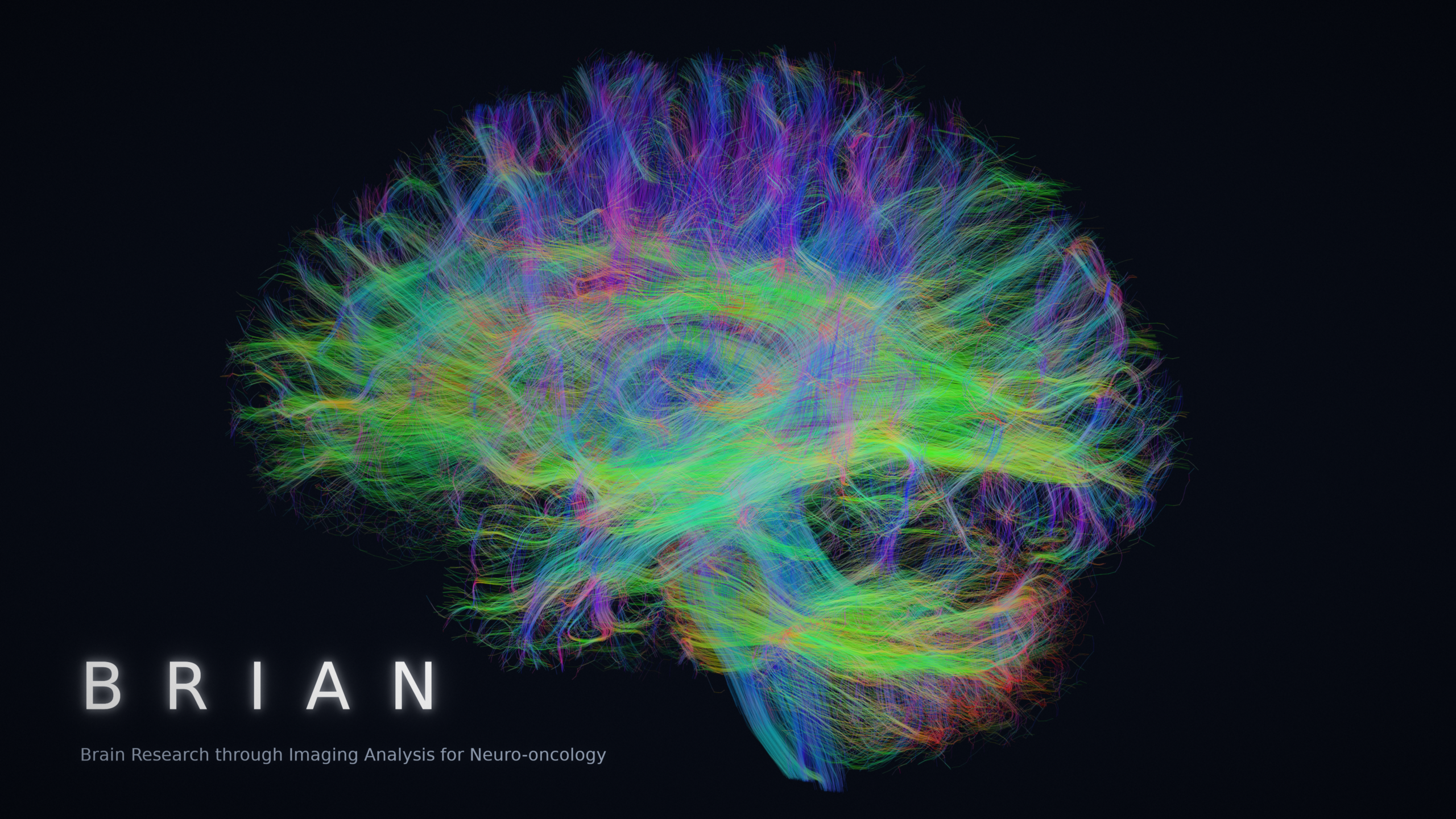
BRIAN, Brain Research through Imaging Analysis for Neurooncology, was created to investigate that question using advanced MRI analysis and computational modelling. Supported by RIDT and the ALIVE Charity Foundation, the project has enabled the BOB Lab at the University of Malta to develop a research framework for studying how glioblastoma may spread along the brain’s white-matter pathways.
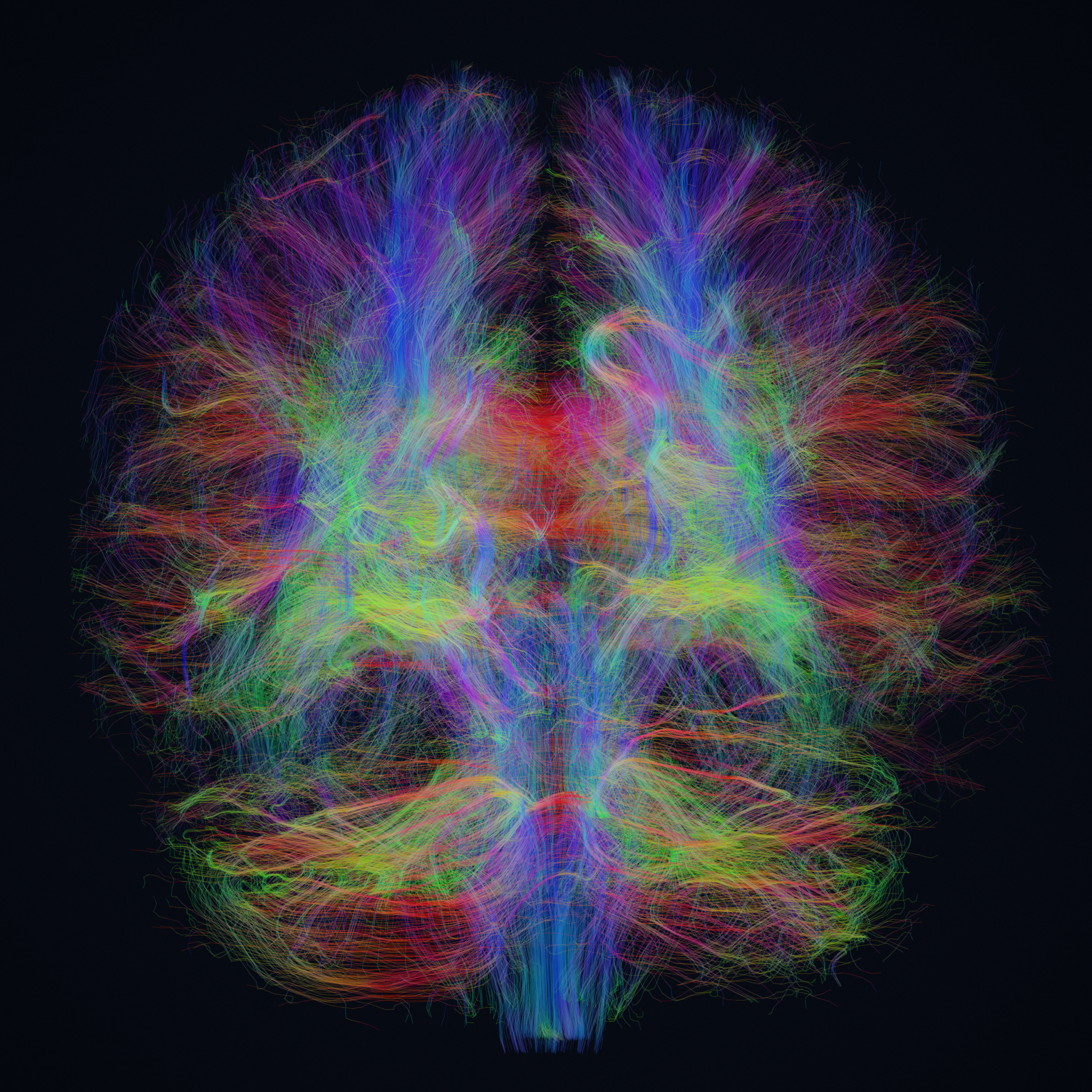
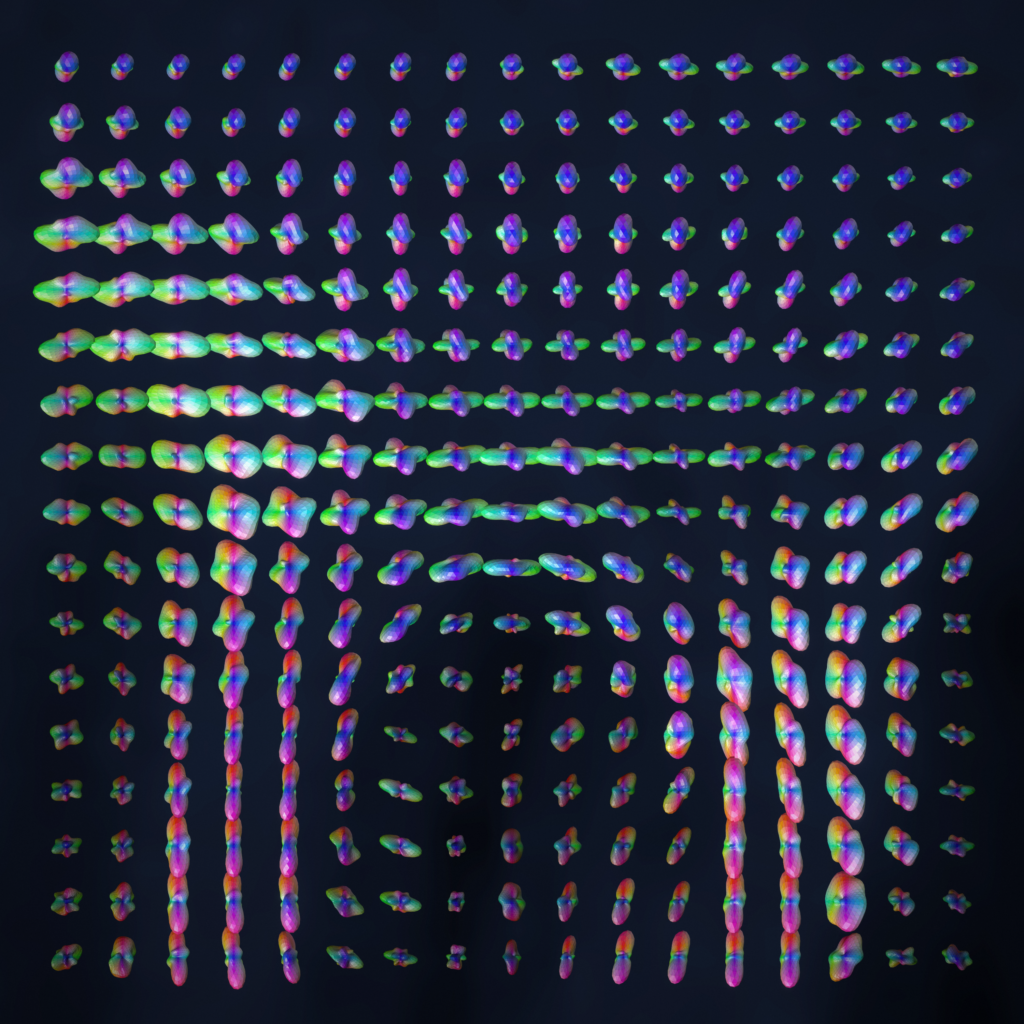
The grant has been used to build and test a modelling pipeline for simulating tumour growth. The team has worked with international brain tumour imaging data and diffusion MRI data from healthy brains to examine whether information about the direction of white-matter pathways can improve tumour-growth simulations. In plain terms, the project asks whether models become more realistic when they respect the brain’s wiring, rather than treating tumour spread as though it occurs equally in every direction.
The project has now progressed from an initial concept to a working research framework. The current work evaluates the pipeline using 30 glioblastoma tumour masks and 65 validation brain datasets, resulting in 1,950 tumour-host modelling tests. Early results indicate that direction-aware simulations show a closer match to the MRI-visible tumour core than a direction-blind comparison model.
The work remains at the research stage and should not yet be regarded as a clinical planning tool. Nevertheless, it represents an important step towards more realistic modelling of brain tumour spread.
BRIAN has also provided a platform for wider engagement, helping to explain why neuroimaging, data science, and cancer research need to work together.
Support from RIDT and the ALIVE Charity Foundation has given the project the time and capacity to mature from an idea into a tested framework. A preprint of the scientific article that is ready for submission to a scientific journal can be found here: https://doi.org/10.64898/2026.07.30.741684
This project is dedicated to the memory of Brian Bajada, whose name it bears and who left us too soon.
The work remains at the research stage and should not yet be regarded as a clinical planning tool. Nevertheless, it represents an important step towards more realistic modelling of brain tumour spread.
Gallery