

New research charting personalised path through inherited kidney disease
Funded by LifeCycle through RIDT, a new University of Malta research project led by Dr Julian Delicata is using next-generation sequencing to study a recurring PKD2 gene variant in Malta—paving the way for earlier family screening and more personalised patient care.
Paving the way for tailored patient care and improved family screening.
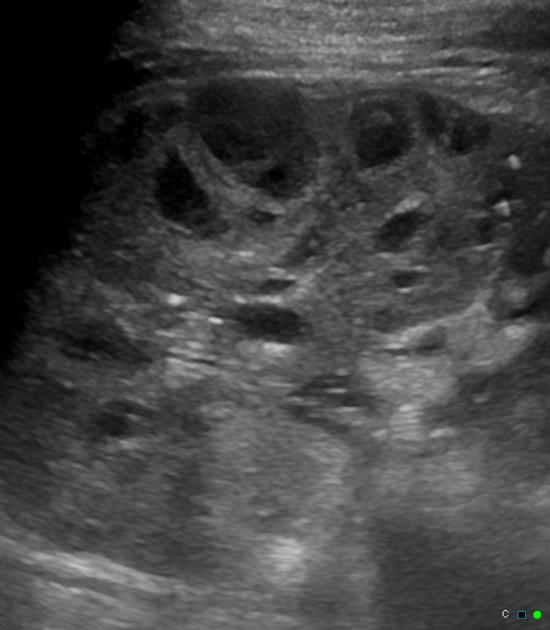
Autosomal dominant polycystic kidney disease (ADPKD) is an inherited condition that causes multiple cysts to develop within the kidneys over time. Left unmanaged, this progressive growth can lead to kidney failure and the eventual need for dialysis or a kidney transplant.
To better understand how this condition affects the local population, a new research project at the University of Malta is examining ADPKD through the lens of one specific gene implicated in its development: PKD2.
The study forms part of an MSc by Research by Dr Julian Delicata, Consultant in the Department of Medicine at Mater Dei Hospital, and is generously funded by the LifeCycle (Malta) Foundation through the University’s Research, Innovation and Development Trust (RIDT).
Why Focus on the PKD2 Gene in Malta?
This study builds directly on earlier local findings that identified a recurring PKD2 genetic variant in Malta. Notably, that prior research revealed that PKD2 variants appear to be significantly more common on the island than international medical literature would typically suggest—making localized research vital for Maltese patients.
Looking Closer at Genetics and Progression
Because ADPKD affects every patient differently, predicting how quickly the disease will advance remains a major clinical challenge. Dr Delicata’s current project tackles this by combining clinical observation with advanced genetics:
- Clinical Profiling: Evaluating the physical characteristics of local PKD2 variant carriers, tracking their kidney function, kidney volume, associated complications, and overall rate of disease progression.
- Next-Generation Sequencing (NGS): Conducting detailed genetic analyses to uncover secondary genetic clues that may explain why the condition develops differently from one individual to the next.
Shaping the Future of Patient Care
By mapping out the specific genetic landscape of ADPKD in Malta, the research aims to move away from a one-size-fits-all approach toward truly personalised medicine.
“A better understanding of the Maltese population could help us identify people at greater risk of disease progression, provide more meaningful counselling to patients and their relatives, and guide decisions about monitoring and treatment,” says Dr Delicata.
Ultimately, the insights gained from this project could help establish a more structured, accessible pathway for genetic testing and early family screening across Malta—giving patients and their families clearer answers and better long-term outcomes.

“The full clinical impact will take time to develop, but this funding has enabled an important first step. It has transformed an important local observation into a structured research project with the potential to influence how inherited kidney disease is understood and managed in Malta.”