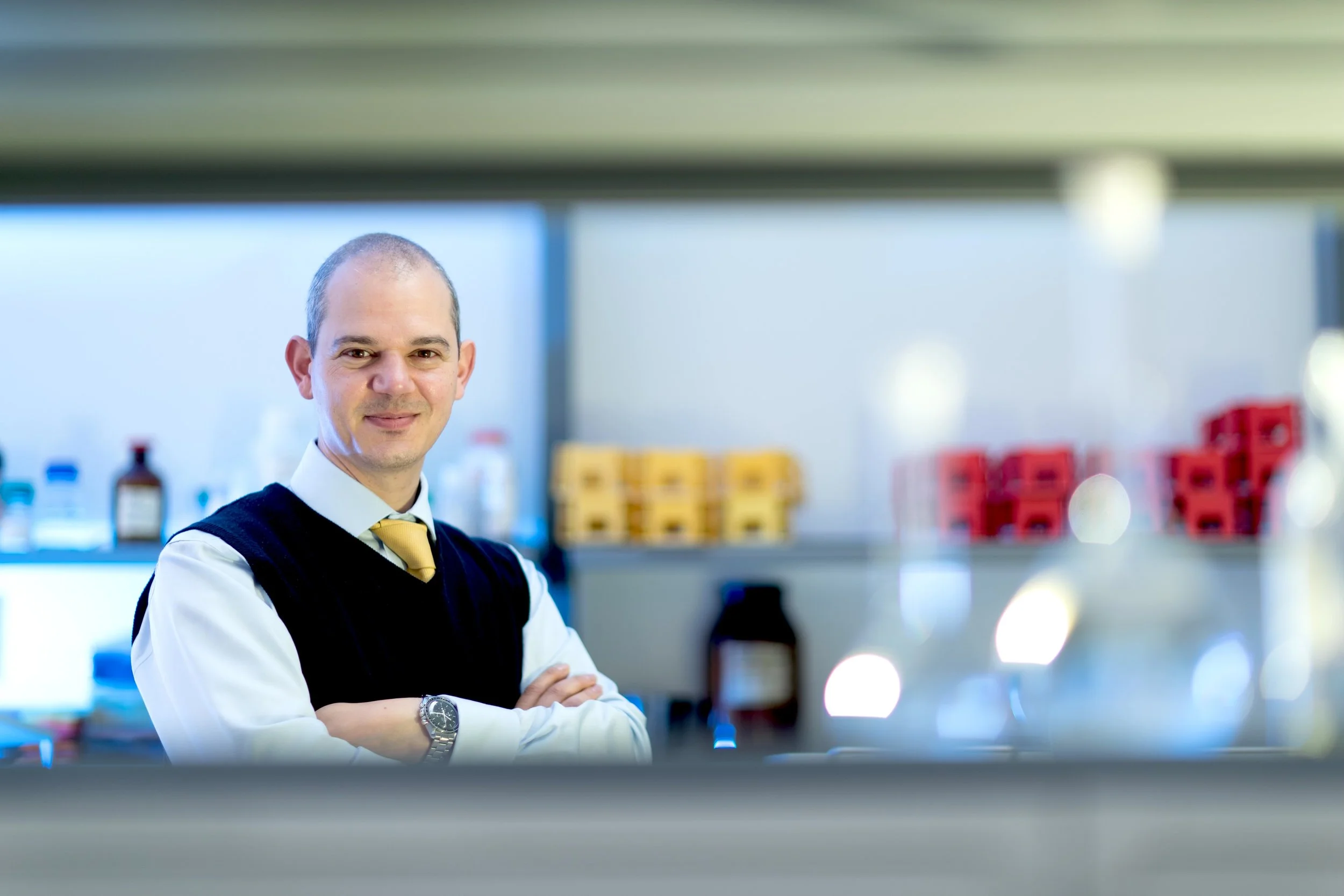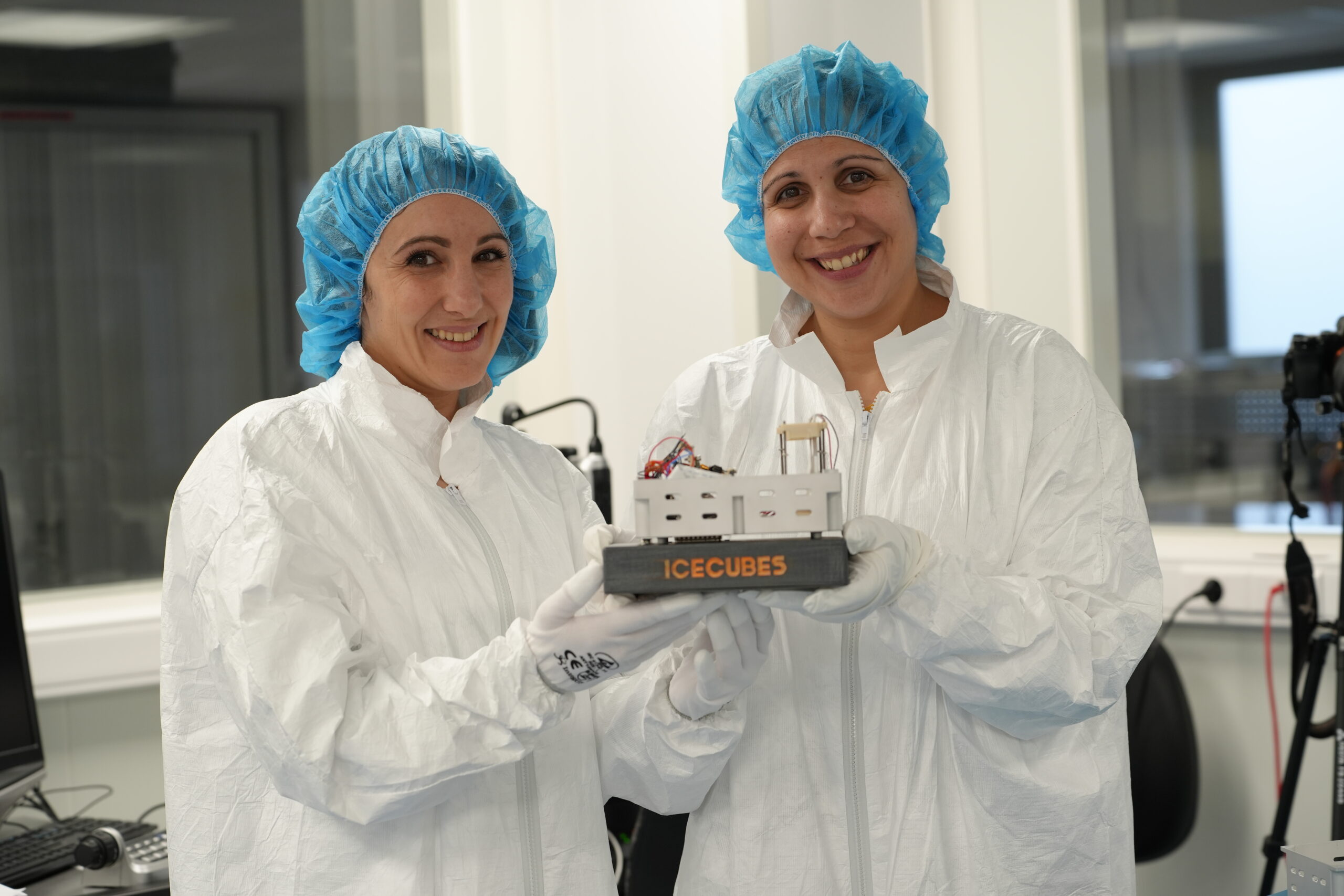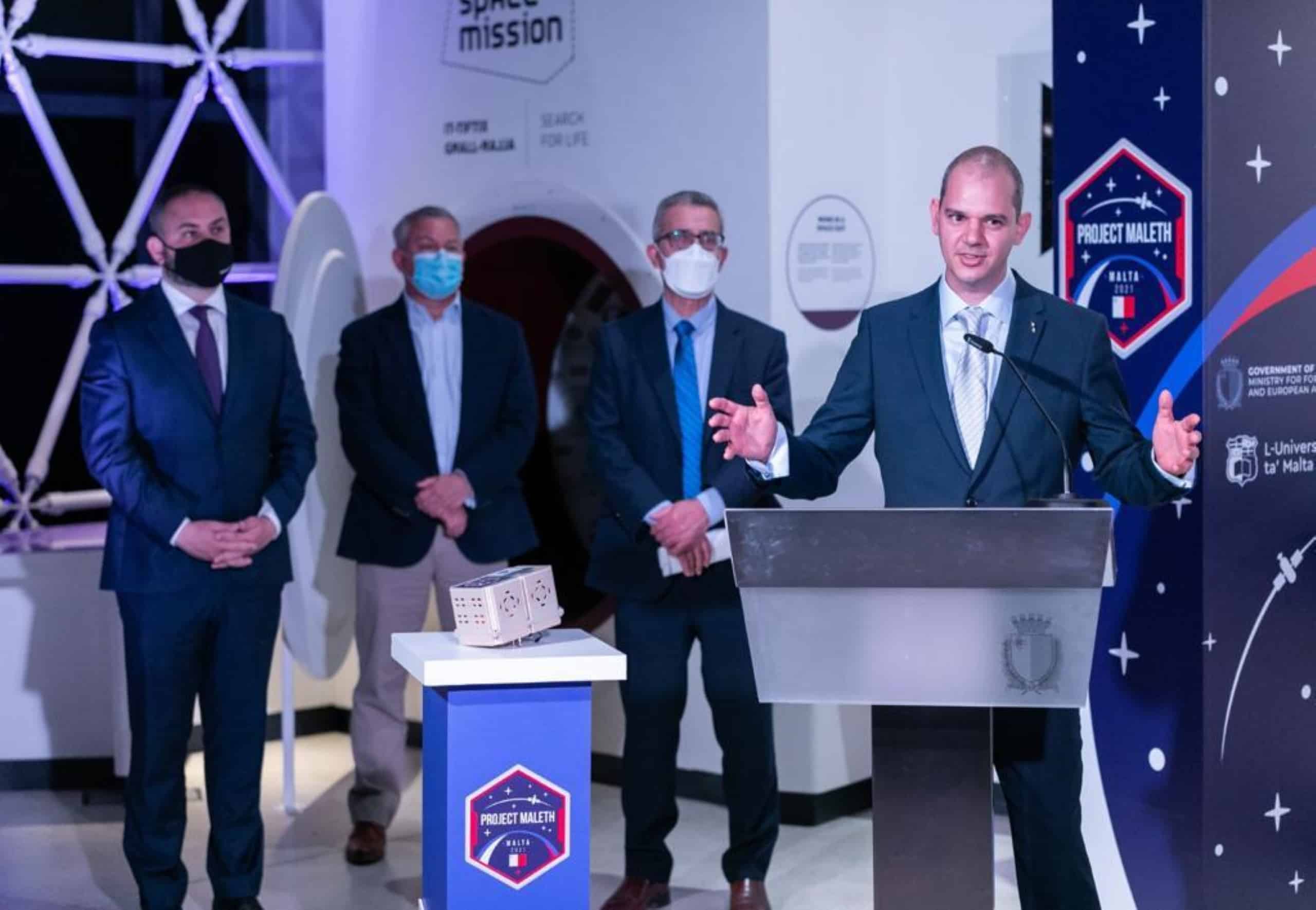
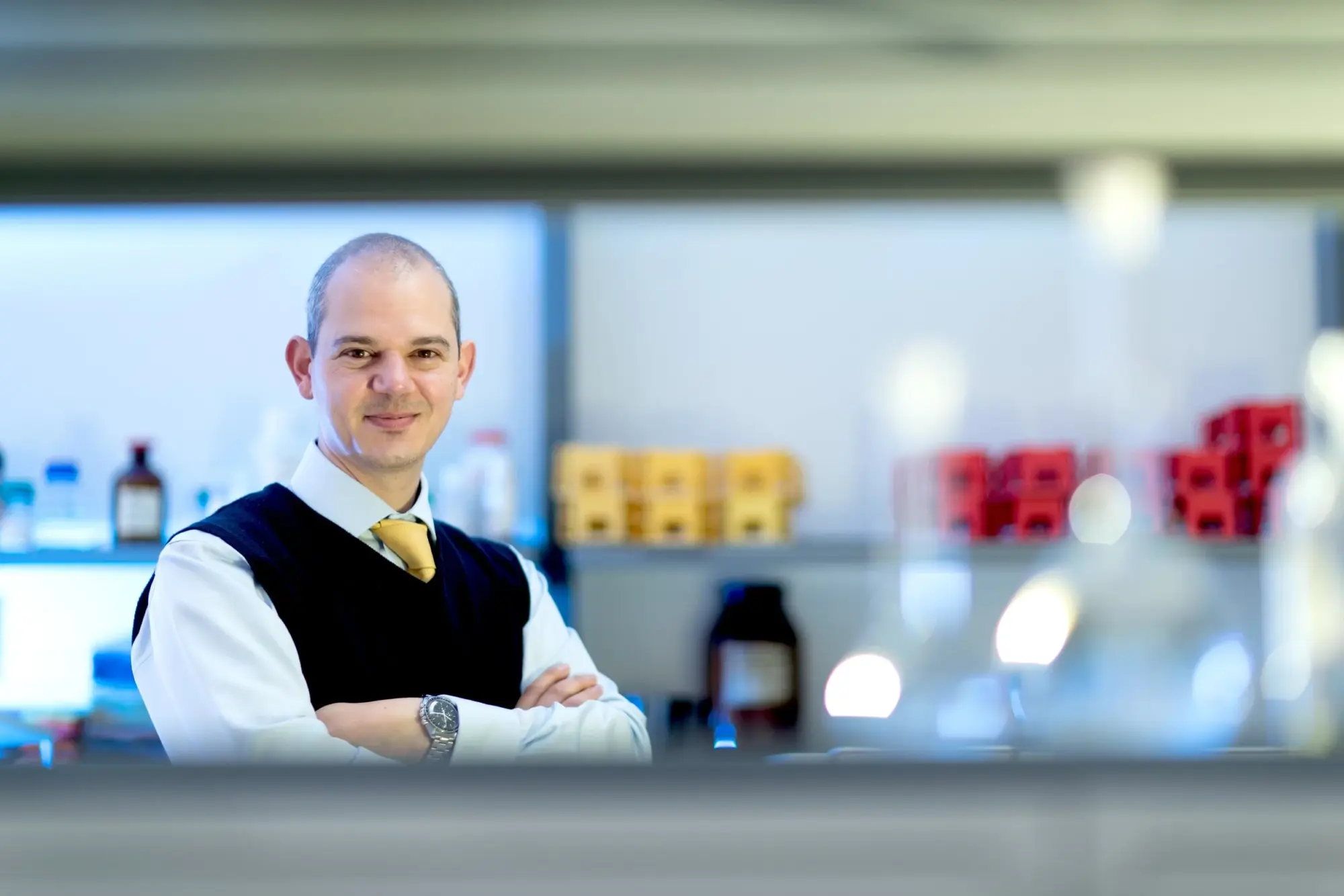

Project MALETH is Malta’s first space-bioscience programme and a flagship example of how RIDT investment can translate local clinical challenges into internationally competitive research. Led by Prof. Joseph Borg (Full Professor of Genetics and Experimental Haematology, University of Malta), MALETH was designed to tackle a major unmet medical need; understanding why diabetic foot ulcers (DFUs), a devastating complication of type 2 diabetes, often become chronic, polymicrobial, and resistant to treatment.
Space is a unique biological “stress test.” Microgravity, radiation, constrained resources, and altered fluid physics can reveal biological behaviours that are difficult to dissect on Earth. MALETH leverages this environment to probe host–microbiome dynamics directly in human DFU skin tissue, aiming to identify microbial signatures, pathways, and potential biomarkers that can inform precision medicine approaches to chronic wounds.
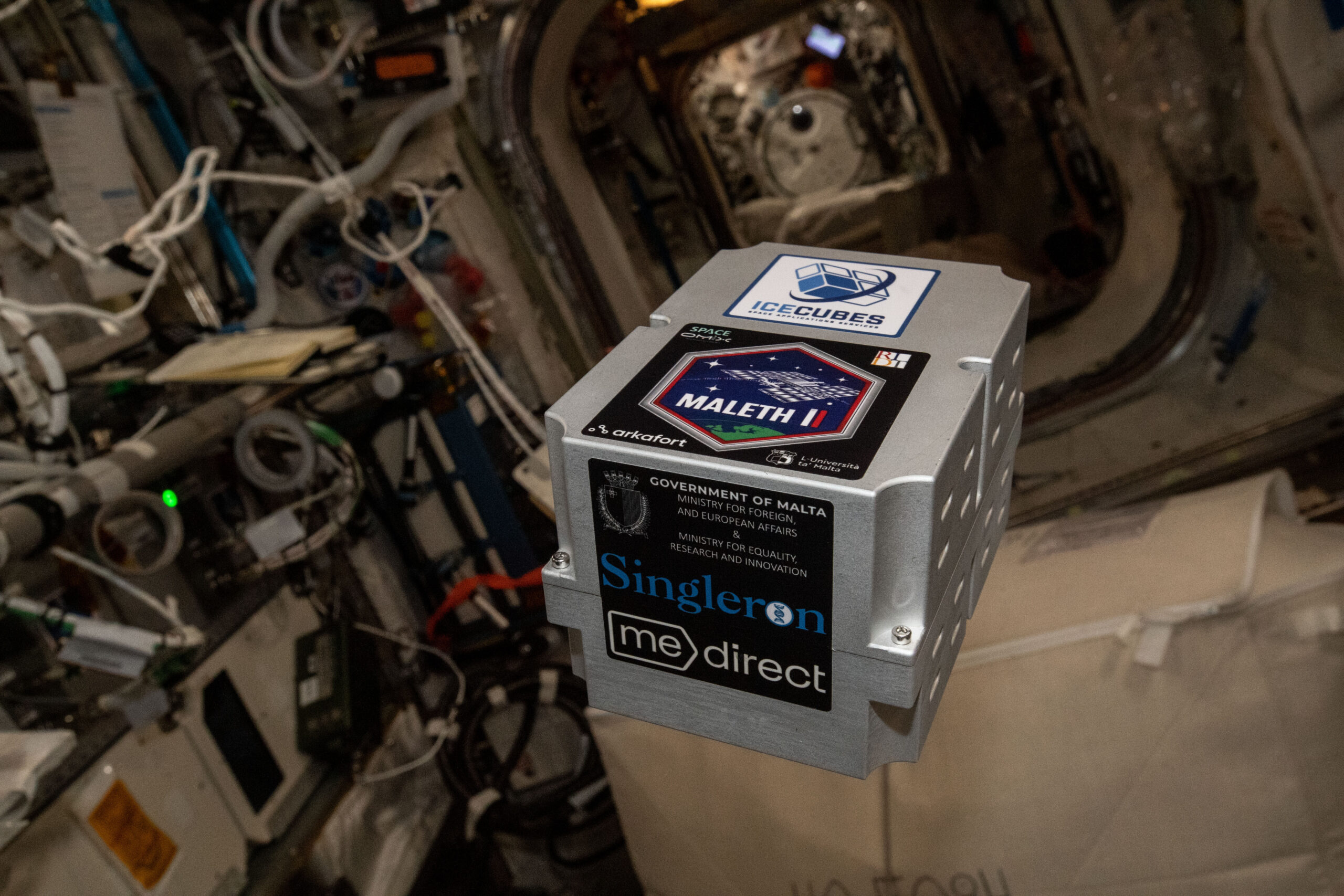
MALETH I demonstrated end-to-end feasibility. DFU-associated human skin tissue and its microbiome were flown to the International Space Station, maintained in a controlled payload, and returned safely for molecular profiling. The mission produced early genomic insights (including 16S rRNA-based microbiome profiling), establishing a baseline for repeatability and deeper omics follow-up. MALETH II expanded the programme from “first proof” to replication and validation, repeating core DFU microbiome experiments while strengthening controls and experimental design. It also broadened the scientific scope by adding additional biological models (including yeast) to explore how eukaryotic cells respond at high resolution to the space environment, helping build analytic capability and comparative biology insight relevant to infection and stress responses. MALETH III marked the internationalisation and maturation of the trilogy, extending the DFU research framework with new partner cohorts and deeper multi-omic ambition, including expanded sequencing plans and collaboration breadth.
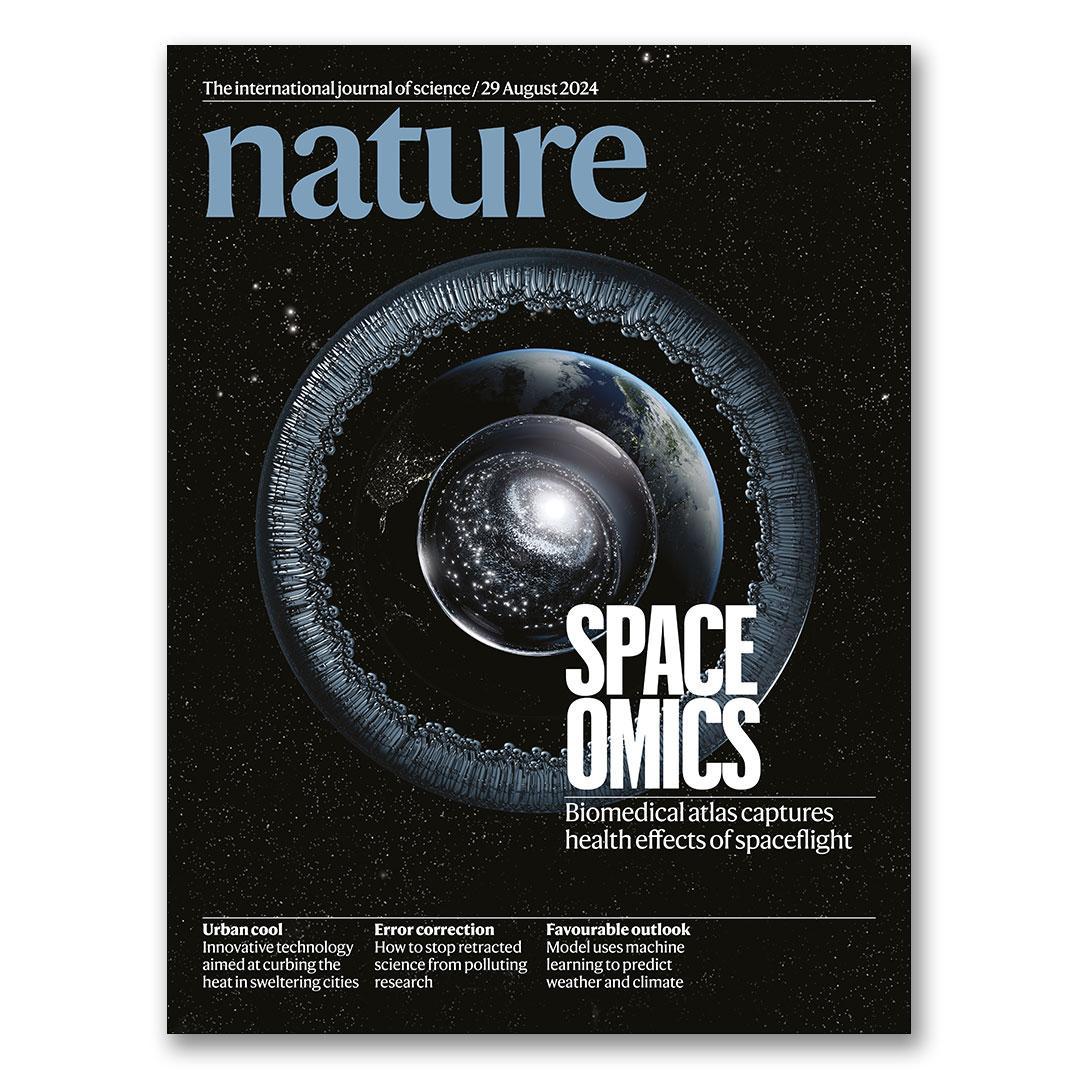
Alongside MALETH, Prof. Borg’s group has developed complementary “space haematology” research, using astronaut and mission datasets to understand how the space environment reshapes globin gene regulation, haemoglobin biology, and anaemia-related pathways, with direct relevance to both long-duration spaceflight and blood disorders on Earth. RIDT support has been instrumental in enabling MALETH as a sustained, multi-mission research programme with real translational trajectory,
from Maltese patients and clinics, to the ISS, and back to biomedical insight and clinical relevance.
Selected references / project sources:
Gatt C, et al. The Maleth Program: Malta’s first space mission discoveries on the microbiome of diabetic foot ulcers. Heliyon. 2022;8(12):e12075. doi:10.1016/j.heliyon.2022.
University of Malta (Newspoint). SpaceX Update: Project Maleth re-enters Earth’s atmosphere (CRS-23). 04 Oct 2021. (https://www.um.edu.mt/
University of Malta (Newspoint). Maleth II launched successfully to the International Space Station (CRS-25). 15 Jul 2022. (https://www.um.edu.mt/
ESA BSGN. Maleth III – Maltese Experiment ready for the ISS (CRS-27). 13 Mar 2023. (https://bsgn.esa.int/2023/03/
Borg J, et al. Spatiotemporal expression and control of haemoglobin in space. Nature Communications. 2024. doi:10.1038/s41467-024-49289-